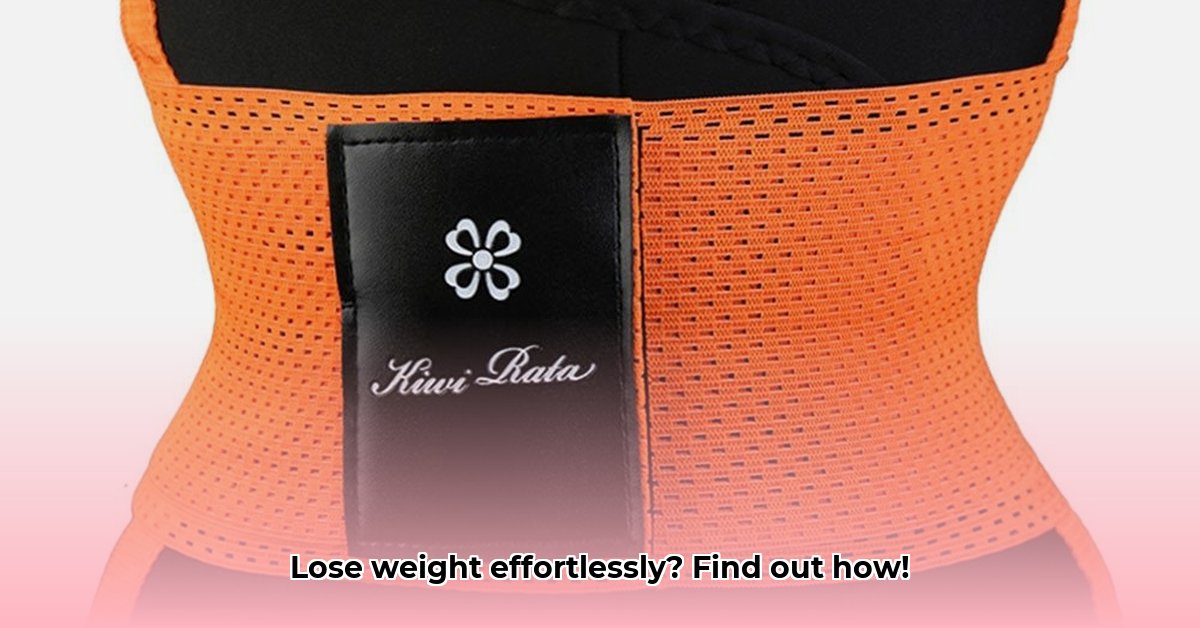
Finding the right plus-size waist trainer can be confusing. This guide helps you navigate the options, understand the potential benefits and drawbacks, and choose a trainer that fits your body and goals. Remember: waist trainers aren't a magic weight-loss solution, but they can be a helpful tool when used responsibly as part of a broader healthy lifestyle.
Understanding Plus-Size Waist Trainers: Beyond Standard Sizing
Standard waist trainers often fall short for plus-size individuals, proving too constricting or uncomfortable. Plus-size waist trainers are designed differently; they're longer, wider, and constructed with sturdier materials for superior support and a more comfortable fit. The design accommodates larger body types, providing a more tailored experience. You'll find a variety of closure mechanisms, including hooks and eyes, zippers, and laces, each offering unique adjustability and ease of use. Experiment to find what suits you best, just as you'd experiment with clothing fits.
Benefits & Drawbacks: A Balanced Perspective
The hope for rapid weight loss is a common motivator for purchasing waist trainers. While some potential benefits exist, let's manage expectations realistically.
Potential Benefits:
Improved Posture: The gentle compression can encourage better posture, potentially leading to improved confidence and a more energized feeling. This improvement might also subtly enhance how your clothing fits.
Enhanced Core Engagement: Some people report increased core muscle activation when exercising while wearing a waist trainer. This may improve exercise efficiency but won't replace the necessity of proper form and technique.
Midsection Shaping: A waist trainer may temporarily create a smoother, more defined midsection under clothing. This is a temporary effect, not a permanent change.
Potential Drawbacks:
Discomfort: Initial discomfort is common as your body adjusts. Pain, however, indicates it's too tight—remove it immediately.
Breathing Difficulties: Tight compression can restrict breathing. Ensure you can breathe easily while wearing it.
Digestive Issues: Compression may affect digestion. If you experience any problems, discontinue use.
No Miracle Weight Loss: A waist trainer is a support tool, not a substitute for a healthy diet and regular exercise. It's a complement, not a replacement.
Choosing the Right Waist Trainer: A Step-by-Step Guide
Selecting the right waist trainer is a personal process. Follow these steps:
Step 1: Measure Accurately: Measure your natural waist at its narrowest point—don't suck in your stomach! Use a flexible tape measure held horizontally. Compare your measurement to the manufacturer's size chart. Remember, sizing varies among brands.
Step 2: Understand Materials:
Latex: Offers strong compression but may be less breathable; suitable for those seeking significant shaping.
Neoprene: Provides good compression and is more flexible and breathable than latex; an often preferred all-around option.
Cotton Blends: Prioritizes comfort and breathability, offering less compression, ideal for sensitive skin.
Step 3: Key Features:
Boning: Steel boning provides structure and shape retention. Look for flexible, rather than rigid, boning for comfort.
Adjustability: Adjustable closures (hooks, straps) allow for a better fit over time as your body changes.
Comfort: Breathable lining and wide bands minimize chafing and maximize comfort.
Step 4: Budget Considerations: Prices vary widely. A higher-quality trainer, made of durable materials, may be a better long-term investment despite the higher upfront cost.
Product Reviews & Comparisons: Informed Choices
(Note: Specific product recommendations are avoided due to the dynamic nature of product availability and user reviews. Consult independent review sites for up-to-date information.)
[This section would contain a table comparing various plus size waist trainers, focusing on materials, closure types, pros, cons, and price ranges. Due to the variability of products and reviews, specific examples are not included here, but the table structure provides a clear framework for potential comparisons.]
Safe Usage Guidelines: Prioritize Your Well-being
Gradual Introduction: Begin with short wear times, gradually increasing the duration as your body adapts.
Listen to Your Body: Discomfort or breathing difficulties signal you need to remove the trainer.
Avoid Overnight Use: Your body needs to breathe freely during sleep.
Holistic Approach: Remember, healthy eating and regular exercise are essential for sustainable weight loss. The waist trainer is just one tool within a larger strategy.
The Bottom Line: Realistic Expectations & Professional Guidance
Sustainable weight loss relies on a balanced diet and regular physical activity. A waist trainer can be a supplementary tool for some, but realistic expectations and professional guidance are essential. Consult your doctor or a healthcare professional before using a waist trainer, especially if you have underlying health conditions. Always listen to your body, prioritize comfort and safety, and remember that true health is comprehensive, not confined to a single product.